Fly at 35,000 Ft,
While Still on the Ground

Explore SIM

Follow Your Type

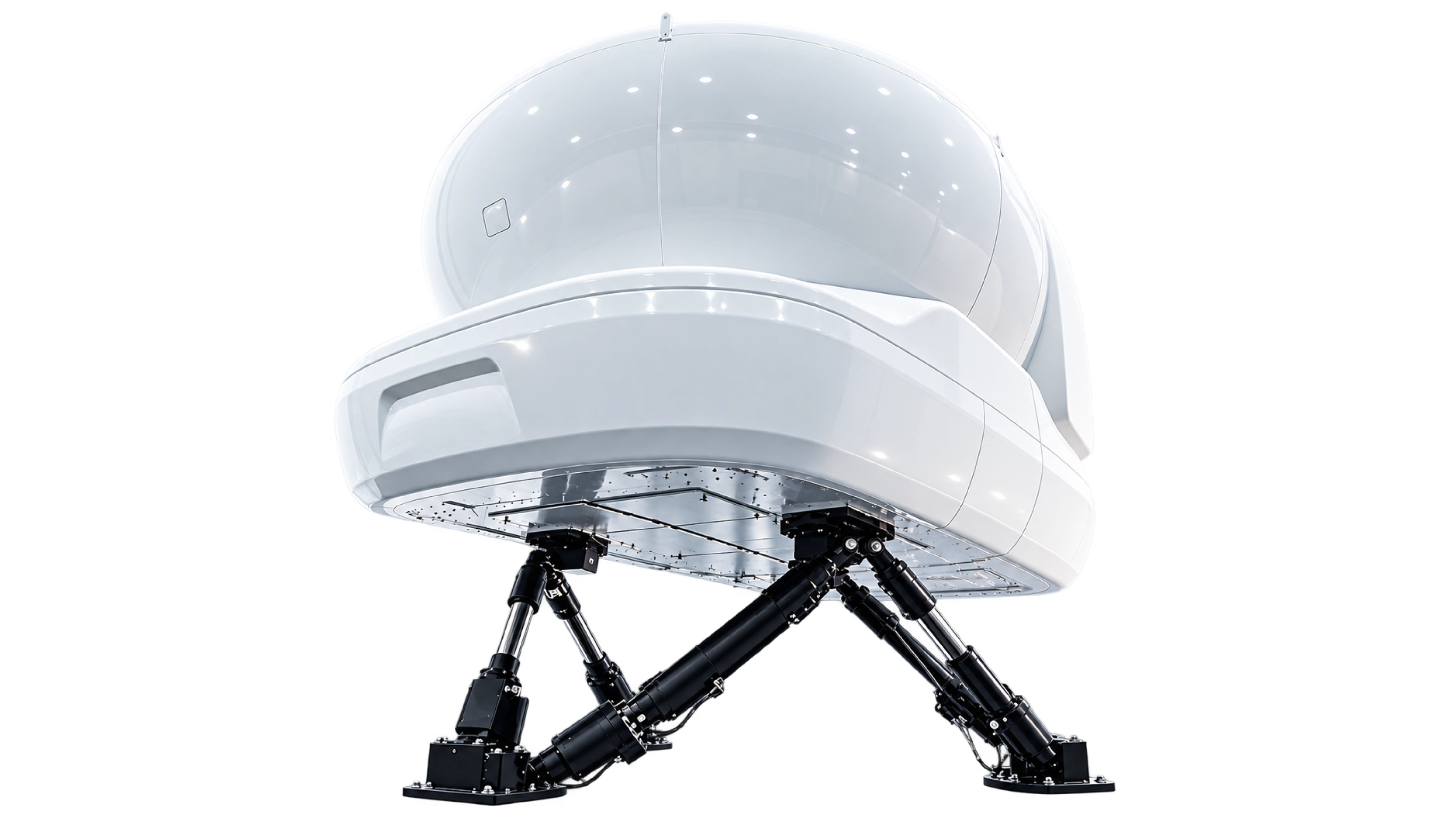
Type Rating training takes place in a realistic replica cockpit of aircraft, mounted on a multi-axis motion system. Replicating real cockpit controls, displays, sounds, and movement, it prepares pilots for airline operations.

Requirement

CPL / PPL

Mandatory Aircraft Types

Above 5,700 KG

Simulator Hours

40–60 Hours

Simulator Level

Level D

Level D Full Flight Simulator motion pod
02PANORAMIC DOME

180° HD Visuals

High-definition projection representing real-world terrain, day/night, and all weather.

03COCKPIT AUDIO

Authentic Soundscape

Accurately reproduced engine roar, atmospheric buffeting, GPWS and avionics callouts.

016-DOF ACTUATORS

100% Electrical Motion

Multi-axis actuators replicate real acceleration, pitch/roll/yaw, and turbulence.

FOUR STAGES.
GET TYPERATED.

GROUND SCHOOL

SYSTEMS FIRST

Before the simulator, pilots learn the aircraft inside out. Ground school runs 4–6 weeks, covering system...

FIXED BASE & PROCEDURES TRAINERS

FIXED-BASE CPT

Before stepping into a full-motion simulator, cadets begin on a fixed-base simulator or Cockpit Procedure...

FULL FLIGHT SIMULATOR TRAINING

LEVEL D FULL MOTION

Flight simulator training for pilots at this level uses a full-motion, Level D simulator, which is certif...

SKILL TEST & LICENSING

DGCA ENDORSED

Once simulator training is complete, the pilot undergoes a skill test with a DGCA-approved examiner. This...

0 FT
10,000 FT
FL280
FL380

Pick Your Fleet

Train in a Full Flight Simulator

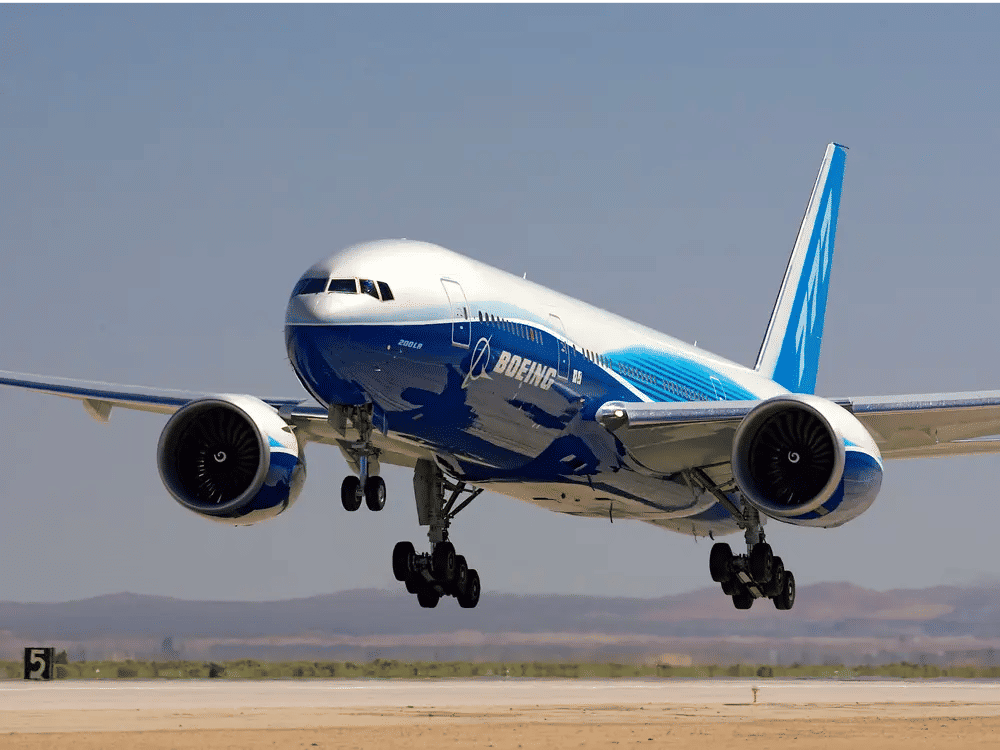
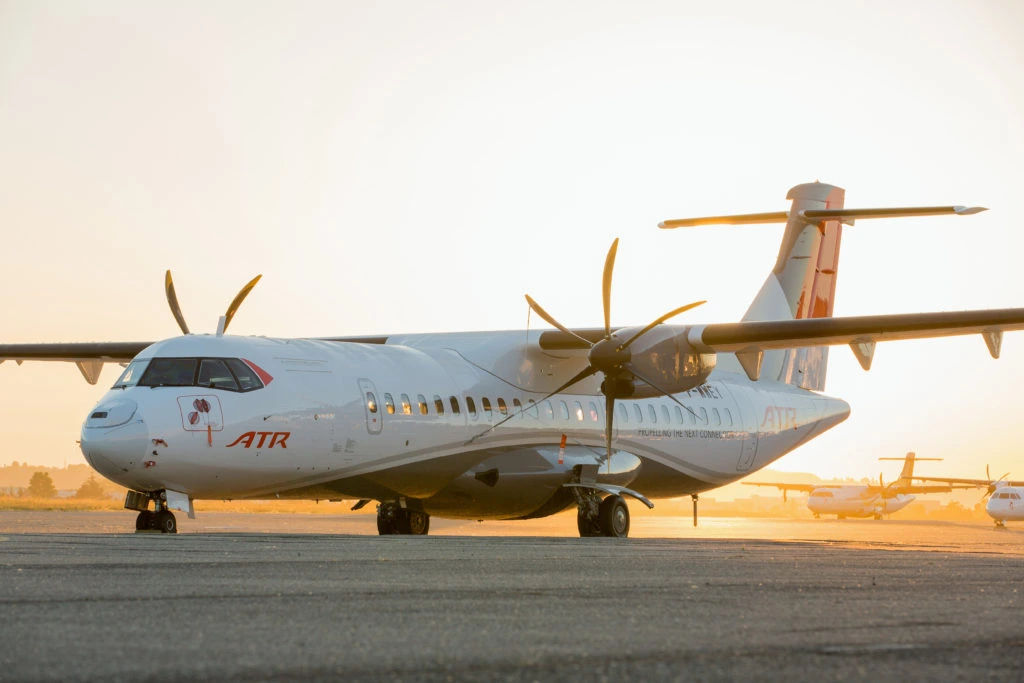
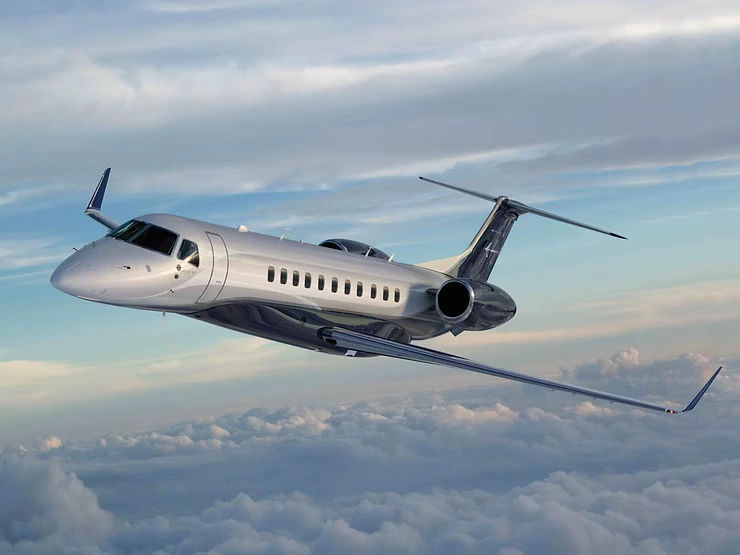
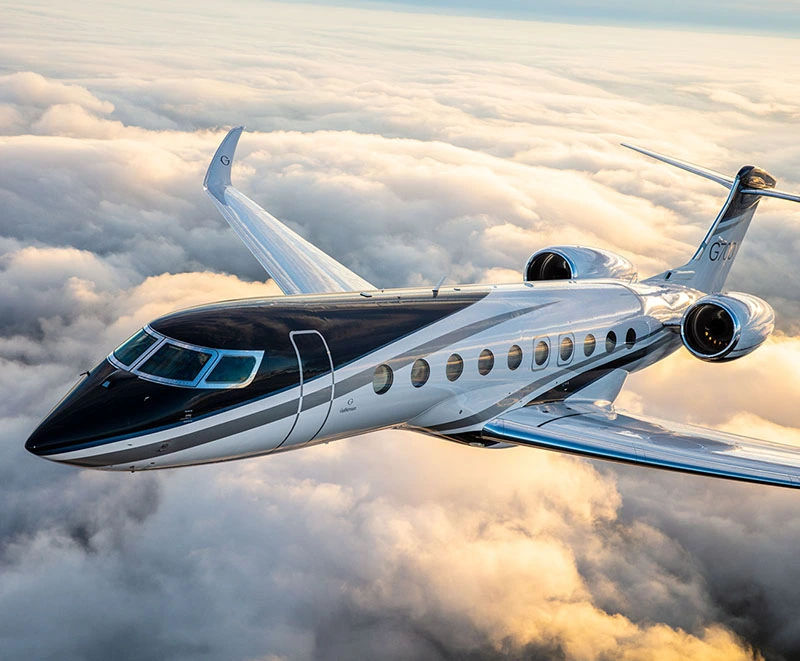
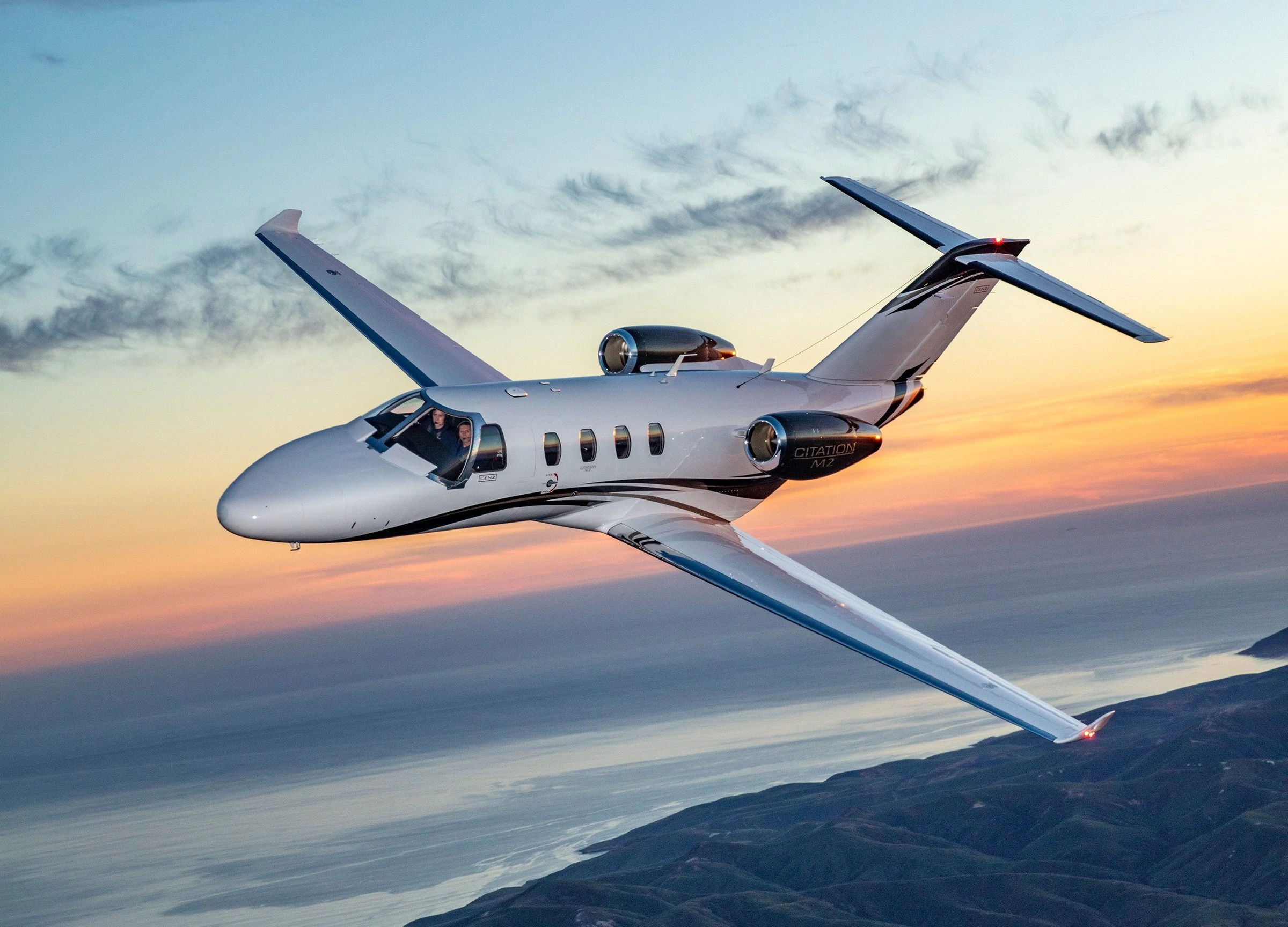
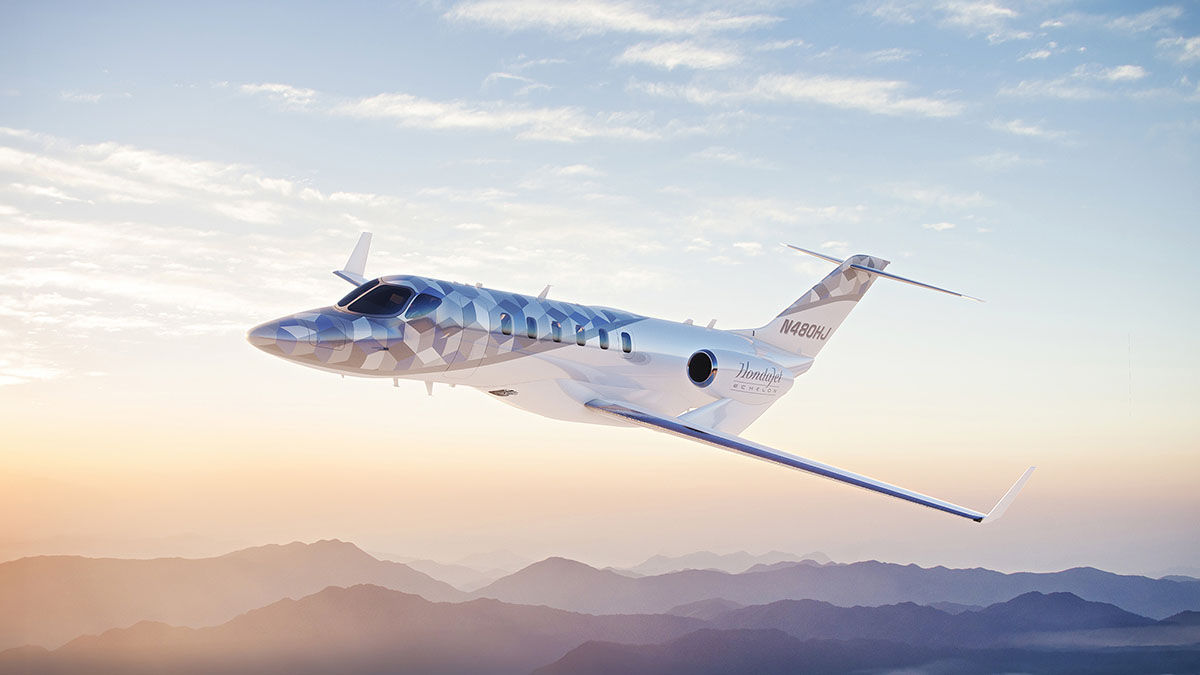
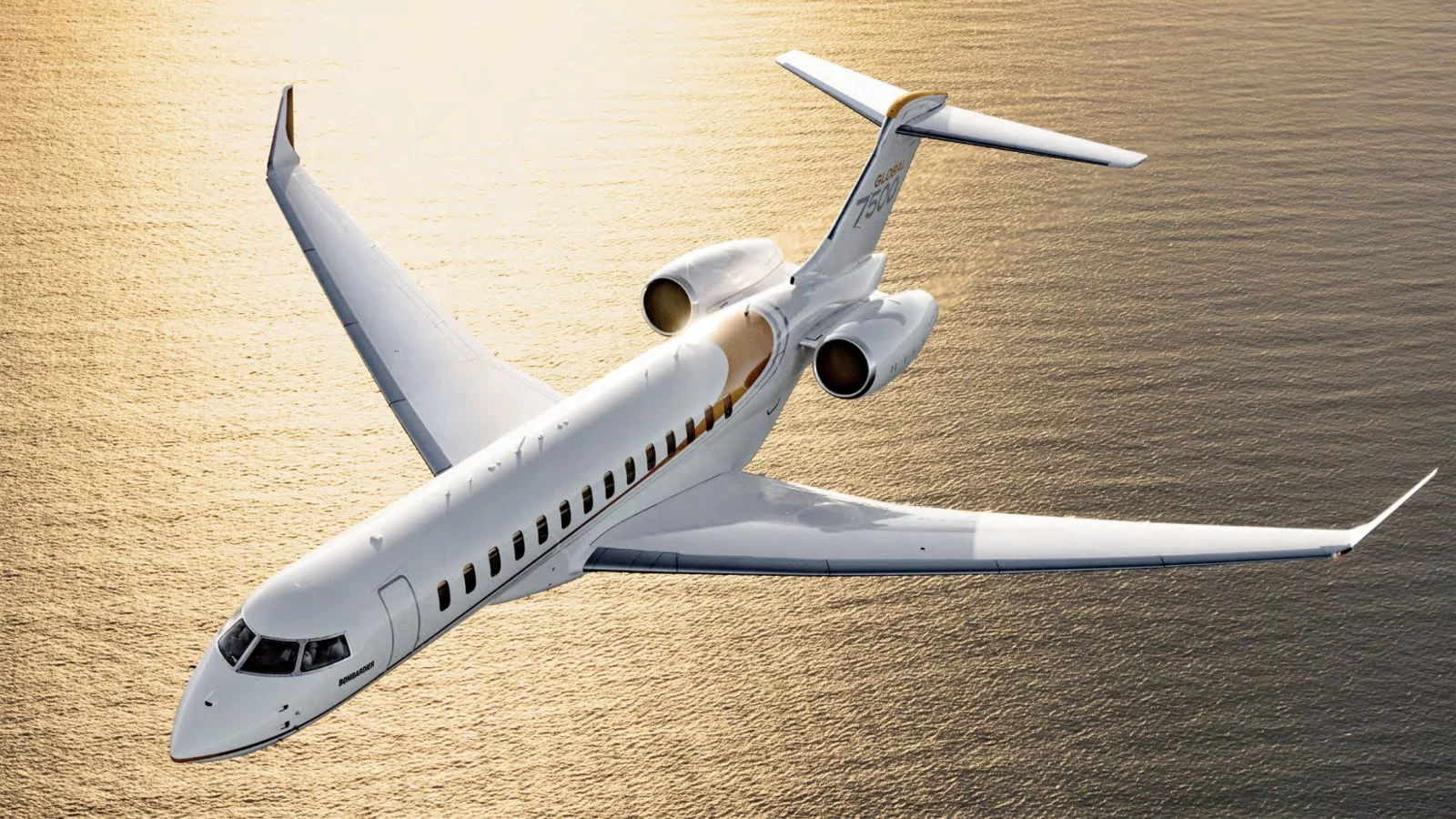
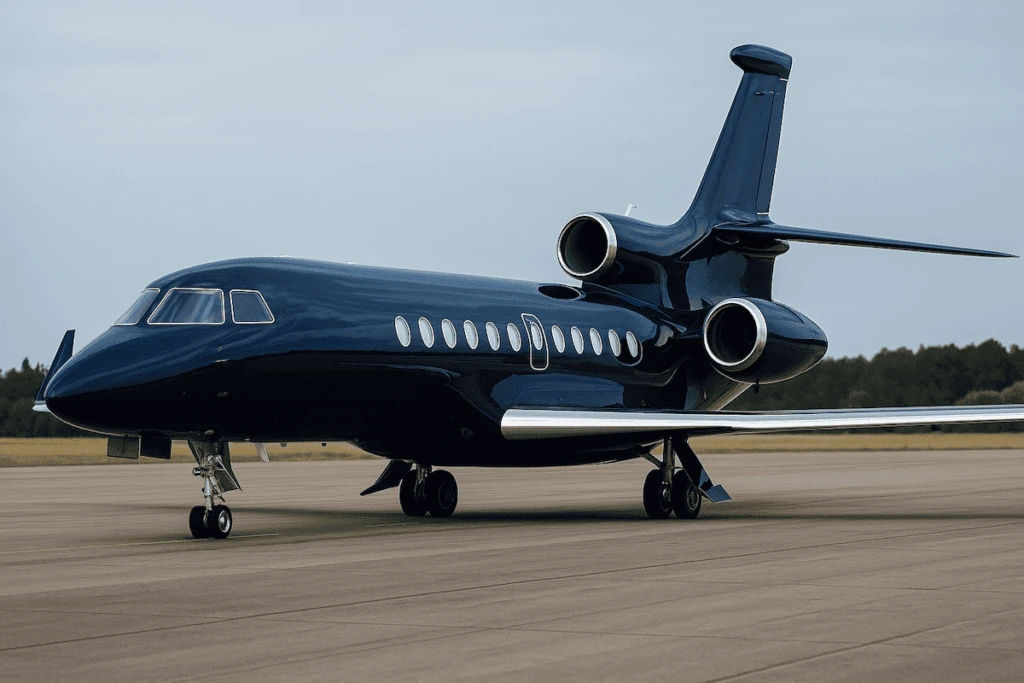
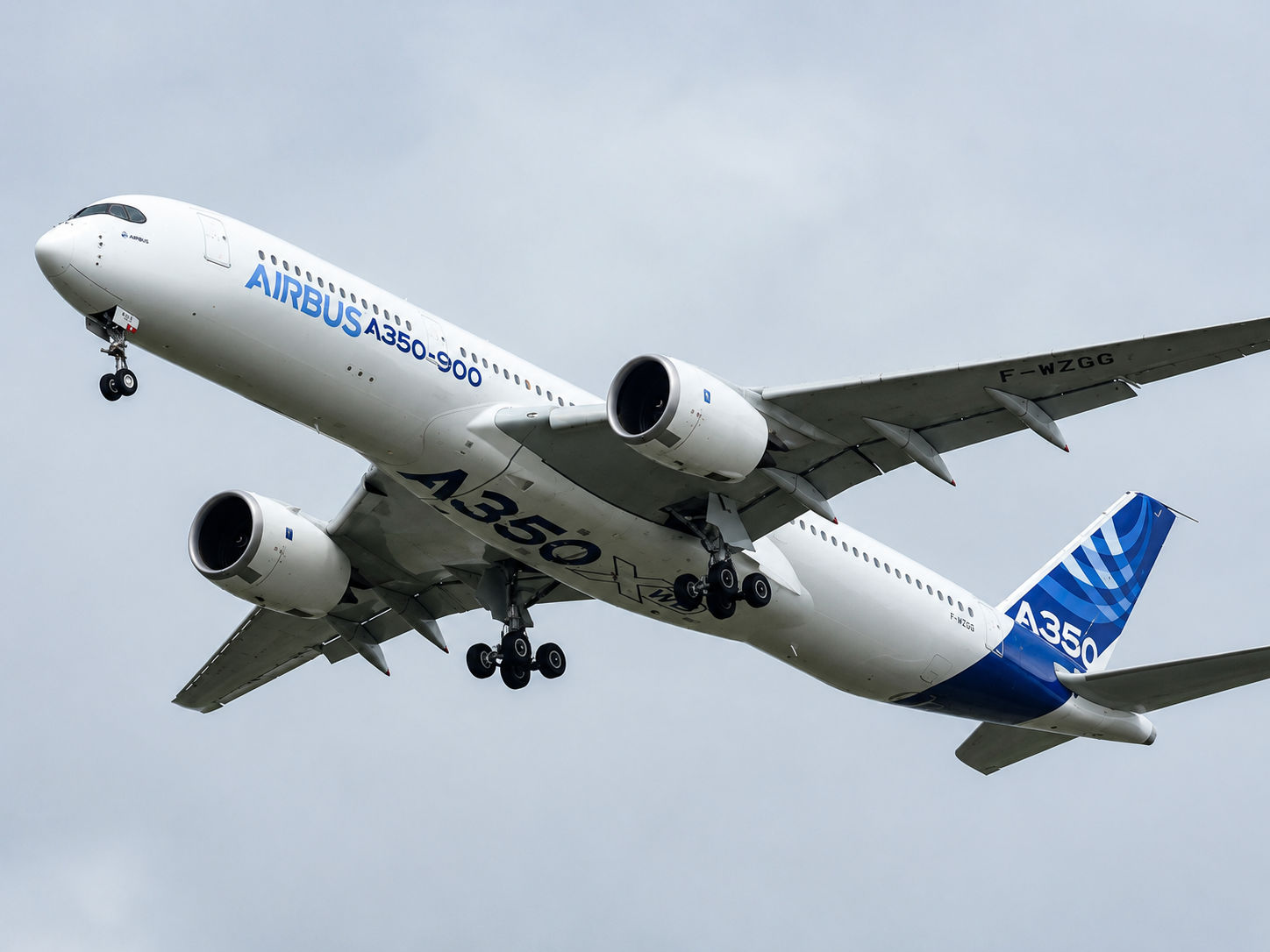
From major commercial airliners to regional jets and sophisticated business aircraft, pilots can pursue type ratings across commercial, regional and business aviation, building the qualifications needed to progress into increasingly advanced cockpits.

The Airline Gateway

The journey from being type-rated to becoming an airline pilot starts here. Twelve milestones, one flight deck.
MILESTONE 01 / 12
01
ApplyEntry

Airline Application

Submit your application with your CPL, type rating, flying hours, medical and required documents. The airline screens your profile against its eligibility criteria.

02
TestEntry

Airline Assessments

Demonstrate your aptitude, technical knowledge, communication, CRM skills and cockpit abilities through written, psychological and simulator assessments.

03
OfferEntry

Selection

Clear the airline's assessment stages, interviews and required checks. Successful candidates receive an offer to join the airline's pilot training pipeline.

04
JoinEntry

Trainee First Officer

Enter the airline as a Trainee First Officer, beginning company-specific training before operating scheduled flights.

05
TrainTraining

Airline Ground & Sim Training

Learn the airline's SOPs, aircraft systems, operations and procedures, followed by simulator sessions covering normal, abnormal and emergency scenarios.

06
FlyTraining

Line Training

Take your training into the real aircraft under the supervision of a Line Training Captain, progressively operating actual scheduled sectors.

07
ReleaseTraining

Line Check / Release

Demonstrate that you can safely and consistently operate within airline SOPs and required standards. Successful completion leads to release for line operations.

08
OperateOperations

Junior First Officer / FO

Begin your operational airline career as a First Officer, building real-world experience, flight time and operational competence alongside the Captain.

09
ProgressOperations

Senior First Officer

With experience and continued proficiency, progress to Senior First Officer, taking on greater operational responsibility while preparing for command.

10
UpgradeCommand

Command Upgrade

Meet the airline's experience and regulatory requirements, then complete command training and assessments designed to prepare you to lead the flight deck.

11
CommandCommand

Captain

Take command of the aircraft and crew. As Captain, you hold primary responsibility for the safe, efficient and compliant operation of each flight.

12
LeadCommand

Senior / Training Captain / Examiner

With extensive experience, progress into senior operational or instructional roles — training new pilots, conducting checks or serving as an examiner.

Frequently Asked Questions

Pilots must hold the appropriate licence and meet DGCA requirements for the aircraft type, typically including a CPL, prescribed education, exams, training, and aircraft-specific ground training through a DGCA-approved organisation.

Type ratings apply to aircraft requiring type-specific qualification, including common airline types such as the Airbus A320, A330/A350, and Boeing 737, 777, and 787. The rating depends on the aircraft a pilot intends to operate and their career goals.

Beyond differences in systems and cockpit layout, Airbus and Boeing follow different automation philosophies. Airbus relies more on fly-by-wire protections, while Boeing offers a more direct control feel, requiring pilots to adopt different mental models.

Most type rating programs run 6–10 weeks, combining ground school, procedures training, and full-flight simulator sessions. The timeline varies by aircraft type and training schedule.

Yes. Certified Level D full-motion simulators can count toward type rating requirements. However, most airlines still require supervised line flying before pilots operate unsupervised.

Pilots may complete type ratings independently or through airline-sponsored programs tied to a specific fleet. Both routes are common in India, with sponsored ratings often offering greater job security.

Successful completion of training and the required skill test adds the aircraft type rating to the pilot’s licence, subject to regulatory approval. The pilot may then join an airline, complete airline-specific training, and undergo supervised line operations before flying independently.